

















Between the rhetoric of quality education and the reality of school buildings in Brava
Nova Sintra, September 10, 2026 (Bravanews) - In Cape Verde, talk of quality education has become a recurring theme in political speeches, government programs, parliamentary addresses, and official ceremonies. Education is presented as one of the key priorities for the country’s development, the cultivation of human capital, and the building of a society better prepared to face the challenges of the future. The government itself has advocated for curriculum reforms, improvements in learning, digital transformation, teacher training, and infrastructure modernization as pillars of a more efficient and inclusive education system.
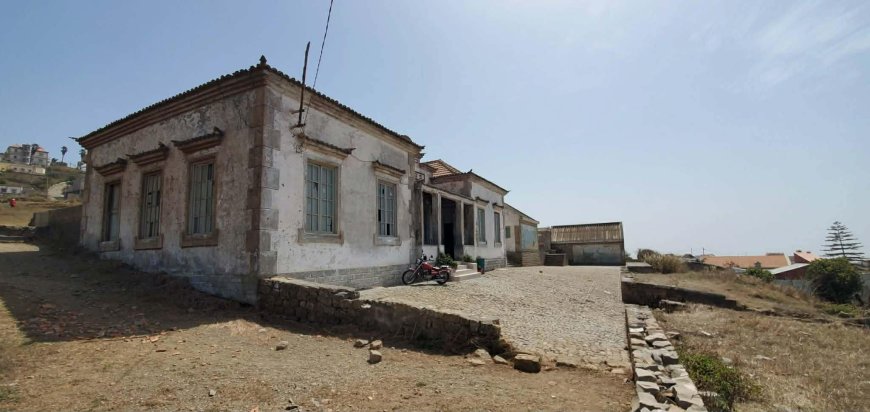
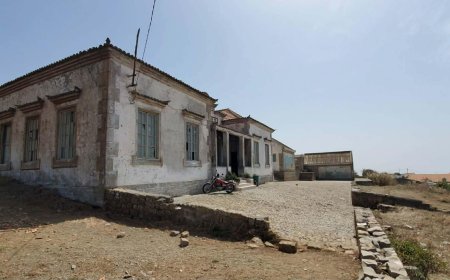
(...) But between what is said in official speeches and what many citizens report encountering on a daily basis on the ground—particularly on the island of Brava—there is a gap that deserves serious discussion. It is not enough to claim that Cape Verde is committed to educational excellence if the facilities where that education is supposed to take place continue, in many cases, to show clear signs of wear and tear, aging, and lack of maintenance. Quality education naturally begins in the classroom, with good teachers and effective teaching methods, but it also depends on schools that are safe, dignified, functional, and suited to the needs of both students and the professionals who work there.
The government itself has recognized for several years that the quality of infrastructure is a fundamental component of education policy. In 2022, the Ministry of Education stated that the government’s responsibility includes creating the financial and pedagogical conditions, as well as the equipment and infrastructure, necessary to ensure the proper functioning of schools. At the same time, it announced a national plan for the construction and modernization of educational infrastructure, specifically with the goal of addressing existing needs and preventing the deterioration of school facilities.
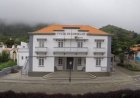
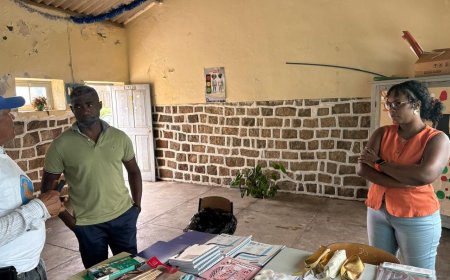
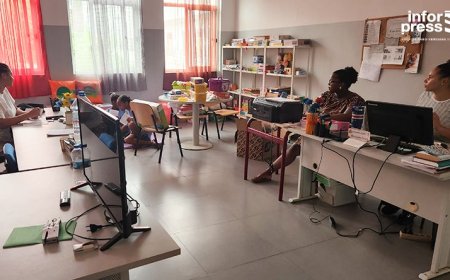
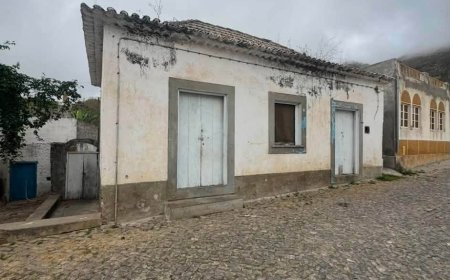
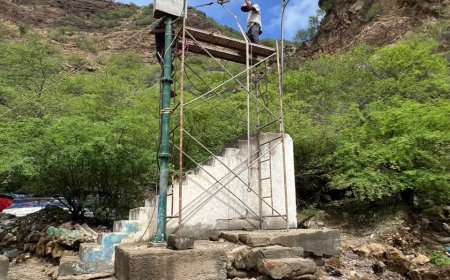
It is precisely at this point that the big question regarding Brava arises. If the modernization of schools is a national priority, how can we explain the persistent concerns about the physical condition of several schools on the island? The people of Brava have reason to question whether the announced investments are reaching local schools in a sufficient, consistent, and balanced manner. The issue is not merely aesthetic. Deteriorating walls, aging roofs, substandard restroom facilities, problems with paint, moisture, plumbing, electricity, or other signs of lack of maintenance can directly affect the comfort, safety, and quality of the school environment.
It is true that the investments made cannot be ignored. The Ministry of Education states that more than 350 schools across the country have been the subject of construction or renovation projects since 2016, representing a total investment of over 2.6 million contos. Brava itself is among the islands where improvements have been made, particularly in terms of sanitation, kitchens, and school renovations. The issue, therefore, is not simply whether any work was done, but whether the interventions carried out were sufficient, sustainable, and capable of structurally resolving the existing problems.
In 2024, an official document on the government’s actions in Brava announced, among other measures, the renovation of the former Nossa Senhora do Monte School, improvements to school bathrooms and kitchens, and the renovation of the elementary schools in Furna and Palhal. Two years later, during an official visit to the island, the Minister of Education once again highlighted the completion of the work at Nossa Senhora do Monte as a priority, while also indicating the renovation of the Sena Barcelos School for future use by the Ministry of Education’s local office.
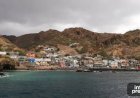
These announcements show that there is institutional awareness that work still needs to be done. And that is precisely why the debate cannot end with the presentation of national figures on renovated schools. A small island like Brava has its own unique characteristics, faces logistical limitations, and has a school system that requires ongoing monitoring. A renovation project completed today cannot mean that the school will be abandoned tomorrow. Renovating a school should be just one step in an ongoing policy of maintenance, upkeep, and inspection of the facilities.
It is also necessary to look at the issue from the students’ perspective. A child or teenager should not have to study in a dilapidated space while listening to policymakers speak daily about innovation, technology, excellence, and preparing for the future. There is a clear contradiction in expecting students to develop the skills to compete in an increasingly technological and globalized world, while the physical space where they spend much of their day does not meet the same standard of quality that is promised to them.
Teachers are also directly affected. Demanding better results, pedagogical innovation, and greater productivity from teachers presupposes providing them with adequate working conditions. It is unreasonable to constantly talk about transforming the education system without discussing the actual working conditions in schools. The Ministry itself recognizes the need to improve resources, infrastructure, laboratories, and operating conditions as part of the strategy to raise the quality of education.
The situation becomes even more sensitive when there is a discrepancy between the perceptions of the authorities and those of the communities. In April 2026, during a visit to Brava, the Minister of Education stated that, in general, the island’s schools had good facilities. If this is the official assessment, then it would be important for it to be backed by transparent data: how many schools were evaluated? What structural problems exist? Which ones require urgent intervention? How much money was invested in each school? Which projects have been completed, and which remain pending? Transparency regarding this data would allow contradictory perceptions to be replaced by an objective assessment.
The government is right when it argues that education is not limited to walls, because educational quality involves teachers, curricula, assessment, inclusion, social action, teaching materials, technology, and, above all, learning. But it would also be a mistake to fall into the opposite extreme and treat infrastructure as a secondary issue. A dilapidated school sends a powerful symbolic message: that the space intended for children can wait. And in a society that claims to place children and young people at the center of public policy, that message should be unacceptable.
Brava is not asking for privileges. It is asking for equality. If the official line states that every child, regardless of where they live, deserves equal access to education, that principle must also apply to small islands. The Minister of Education himself stated, at an inauguration in 2025, that wherever there is a student, that student deserves the government’s consideration and respect and must be able to enjoy equal access to education. It is precisely this commitment that must be demanded in Brava: not just through speeches, but through safe, well-maintained, and dignified schools.
Ultimately, the discussion about Brava’s school buildings is a discussion about political consistency. One cannot speak of educational excellence solely through curriculum reforms, computers, the internet, new teaching methods, and achievement metrics. All of this is important, but excellence is also measured by the government’s ability to ensure that a child enters a school that is clean, safe, functional, and dignified. If there are schools on the island showing serious signs of deterioration, the solution should not be a political dispute over who is right, but rather an independent, public, and rigorous assessment of each school building. Brava deserves for the discourse on quality education to cease being merely a promise repeated on the campaign trail and instead become a visible reality in the classrooms.